
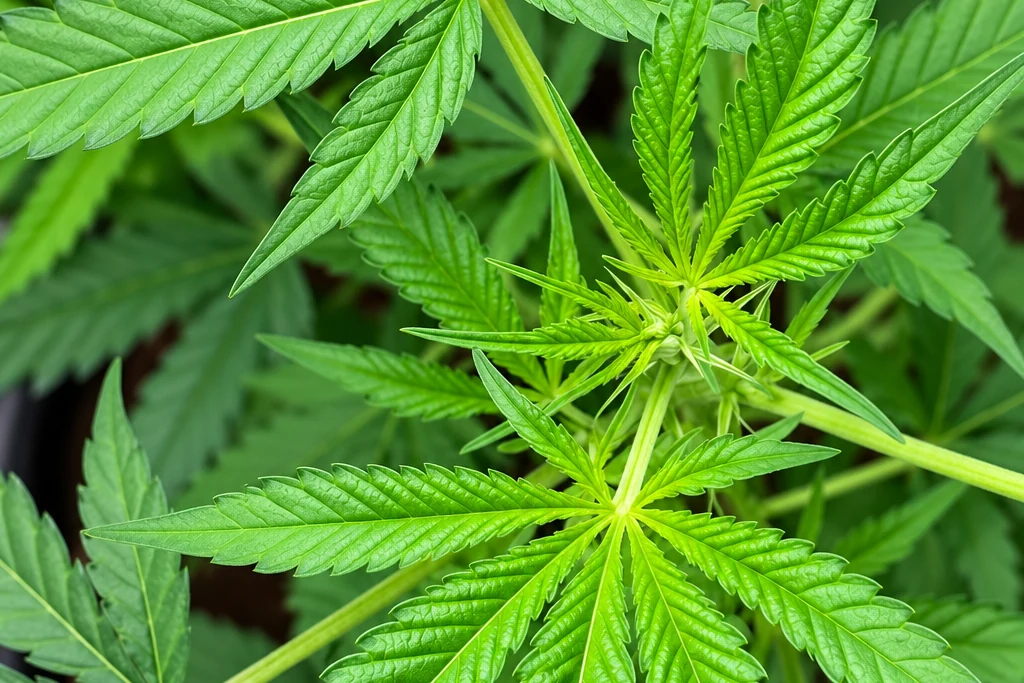
Genetics comes first
Different cultivars can express different cannabinoid profiles under similar conditions. Nutrition matters, but nutrition does not replace genetics.
This distinction is fundamental when evaluating claims around THC or cannabinoid performance.
Concentration and total production are different
Growers should distinguish between cannabinoid concentration and total cannabinoid output. A smaller crop can show a different concentration profile from a larger crop.
Commercial facilities therefore need to decide which KPI actually matters.
Does more fertilizer increase THC?
Not reliably. A stronger nutrient solution increases dissolved mineral concentration; it does not automatically increase THC.
Professional cultivation should support healthy development rather than chase a single laboratory number by continuously increasing input strength.
Environment matters
Cannabinoid expression occurs inside the complete cultivation environment:
- Cultivar
- Light
- Temperature and humidity
- Irrigation
- Root-zone conditions
- Crop maturity
- Plant health
- Nutrient status
Crop maturity matters
Harvest timing and crop maturity can affect the chemical profile of the crop. Commercial facilities should standardize crop procedures when comparing results between cycles.
A better question
Instead of asking which fertilizer gives the highest THC, evaluate whether the cultivation system produces repeatable results:
- Is the cultivar genetically capable of the target profile?
- Are environmental conditions consistent?
- Is plant health consistent?
- Is crop maturity standardized?
- Is sampling standardized?
- Are yield and potency evaluated together?
- Are results repeatable across cycles?
CANNA approach
CANNA Thailand does not position plant nutrition as a guaranteed method for increasing THC. The objective is consistent plant performance and a cultivation system that can be measured and repeated.