
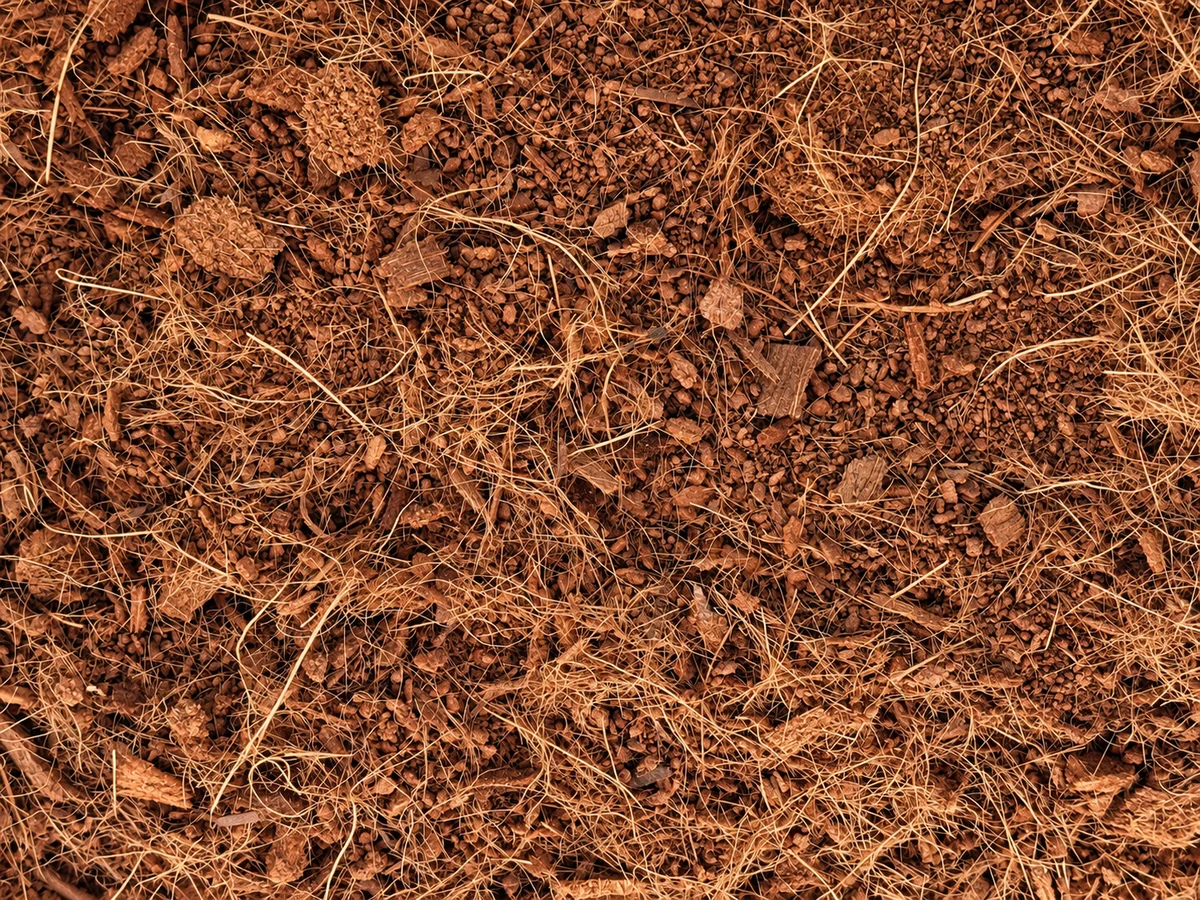
Coco is not simply an inert sponge
Coco has physical and chemical characteristics that influence water, air and nutrient behavior. Its cation-exchange behavior is one reason a purpose-designed coco nutrient program is valuable.
Water-holding and air balance
A well-managed coco root zone should hold enough solution for plant demand while preserving oxygen around the roots. Container size, compaction, irrigation frequency and drainage all influence this balance.
Buffering matters
Properly prepared coco is commonly buffered to manage exchange sites and improve consistency. Substrate quality therefore matters before the first nutrient solution is even applied.
Irrigation frequency changes the root zone
Frequent smaller irrigations and fewer larger irrigations can produce different moisture and EC patterns. The right approach depends on crop size, container volume, environment and facility strategy.
Use EC and pH as trends
Input and root-zone behavior should be tracked over time rather than judged from one reading. Combine EC/pH with plant response and irrigation data.